

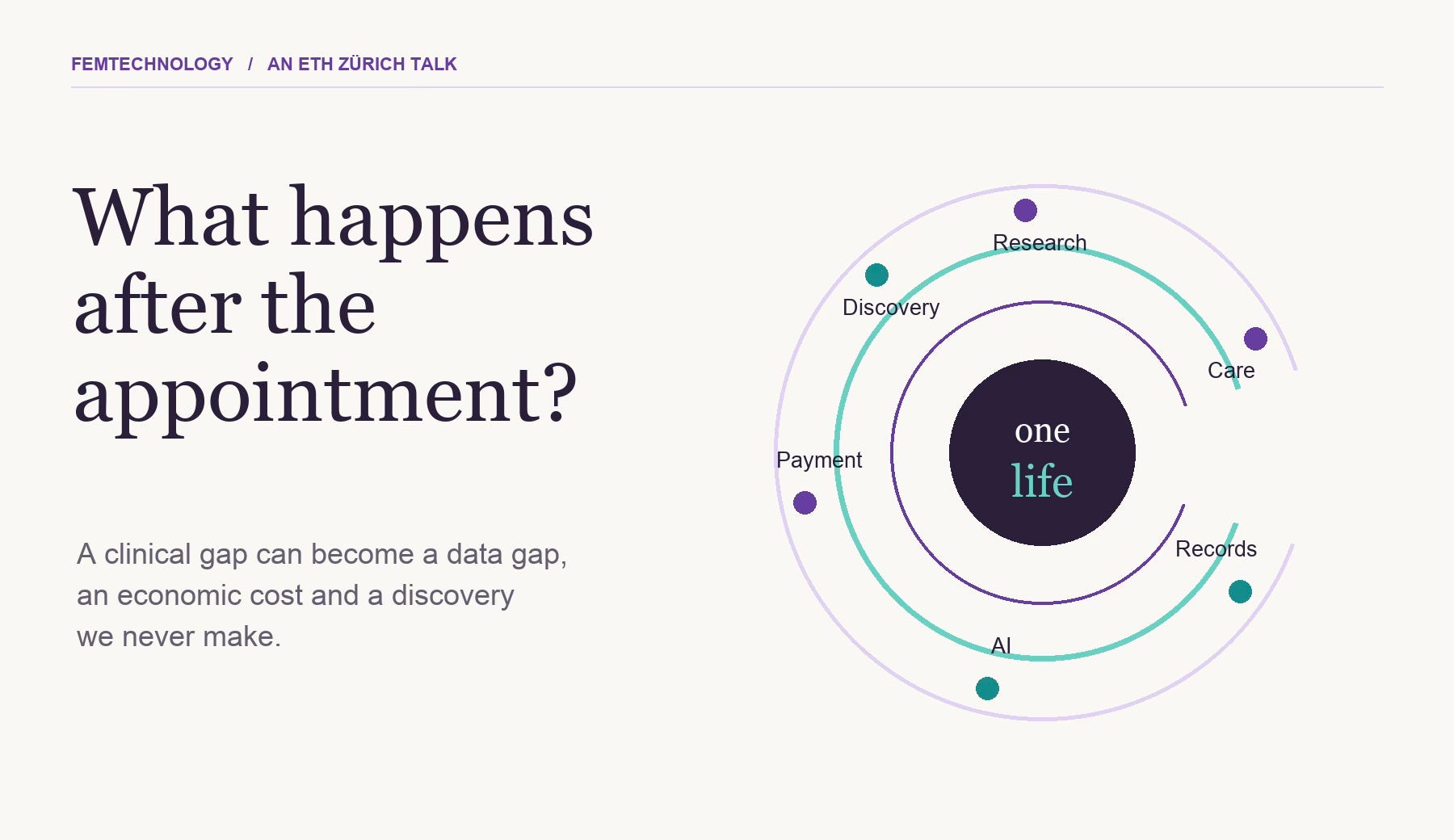
A doctor’s appointment looks like a closed-door conversation between two people. In reality, the boundaries of that 15-minute encounter were drawn long before the patient ever walked into the room.
Researchers got funding to pursue the answers to some biological questions and not others. Medical boards dictated the diagnostic thresholds the physician was trained to recognize. And insurers mapped out exactly which tests and follow-up visits the system would be willing to pay for.
When a woman presents with symptoms that do not fit the standard, male-default picture of a disease, the doctor is caught in a systemic trap. Without evidence-based guidance or a clear referral route, the clinician can only record the fragmented symptoms, offer whatever temporary relief is available, and ask her to return. That unresolved uncertainty is logged into her chart. From there, the missing information escapes the clinic, triggering a cascading domino effect across the entire economy. It becomes a gap in the datasets training our artificial intelligence, an out-of-pocket drain on personal finances, and a quiet drag on workforce productivity.
This Saturday, at ETH Zürich and Medbase’s Gender Medicine Day, I will map exactly how these structural decisions interlock. My virtual talk—Invisible by Design: From the Doctor’s Office to the Economy—traces the hidden ledger of women’s health.
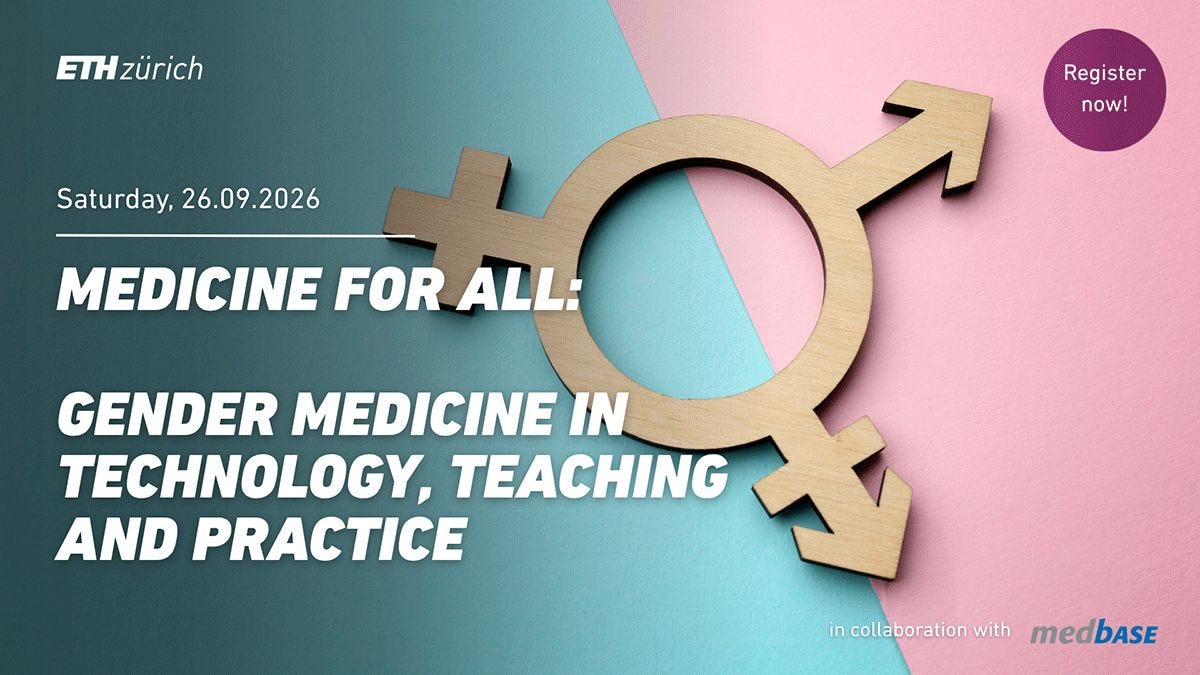
ETH Zürich’s human-medicine programme and Medbase have built their fourth Gender Medicine Day around the vital intersections of teaching, ethics, clinical practice, engineering, and patient experience. The programme features Jeanne Moor on physicians’ working lives, Beatrix Göcking on the ethics and history of sex and gender in medicine, Eliza Kaplan on women’s heart health, Inge Herrmann on medtech innovation, and Su Emilio in a conversation about whose voices shape medicine, moderated by Christina Caprez.
If you are in Zurich, we would love for you to join:
What follows is a blueprint for the structural interventions we will discuss.
The Clinical Supply Chain is Broken
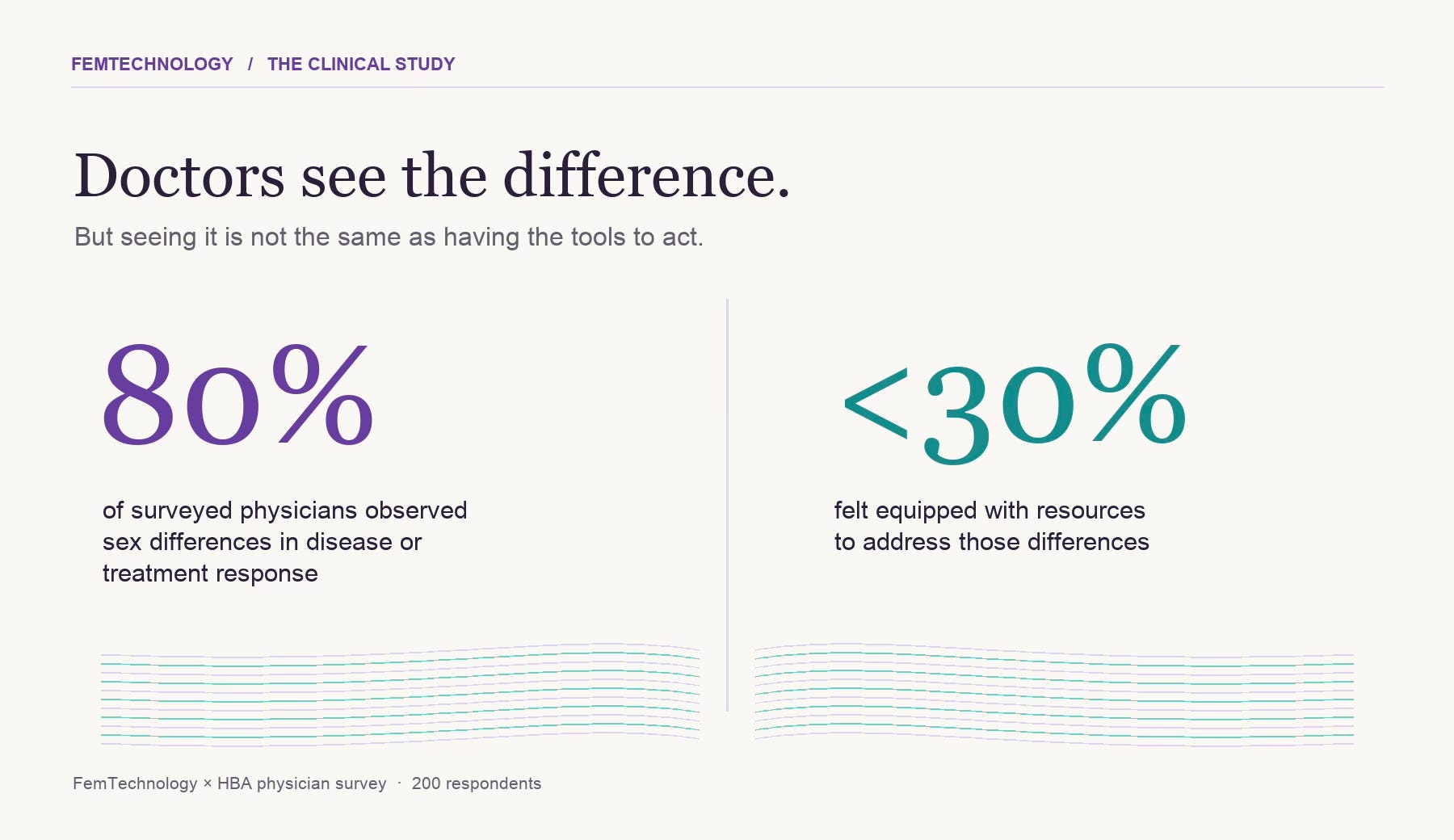
Physicians are the frontline workers in a broken supply chain of medical evidence. In our study, The Hidden Gaps, 80% of surveyed physicians across five major specialties reported seeing distinct sex differences in disease progression or treatment response. Yet fewer than 30% felt equipped to address them, with 53% explicitly naming a lack of sex-specific research as a critical barrier.
77% of surveyed cardiologists struggle to adapt male-centered protocols.
90% of responding neurologists identified migraine as a critical concern, and 80% prioritized multiple sclerosis for sex-specific research.
90% of surveyed endocrinologists stated research gaps heavily affected patient outcomes, flagging PCOS as a priority.
75% of ophthalmologists pointed to unmapped impacts of hormonal changes on retinal health, while 30% of US oncologists cited sex-blind research as a literal barrier to cancer care.
A doctor cannot single-handedly rewrite a clinical guideline or authorize an unapproved referral during a standard appointment. If the medical establishment does not provide the tools, the patient is forced into a cycle of repeated, inconclusive appointments.
The Economic Debt of Unresolved Care
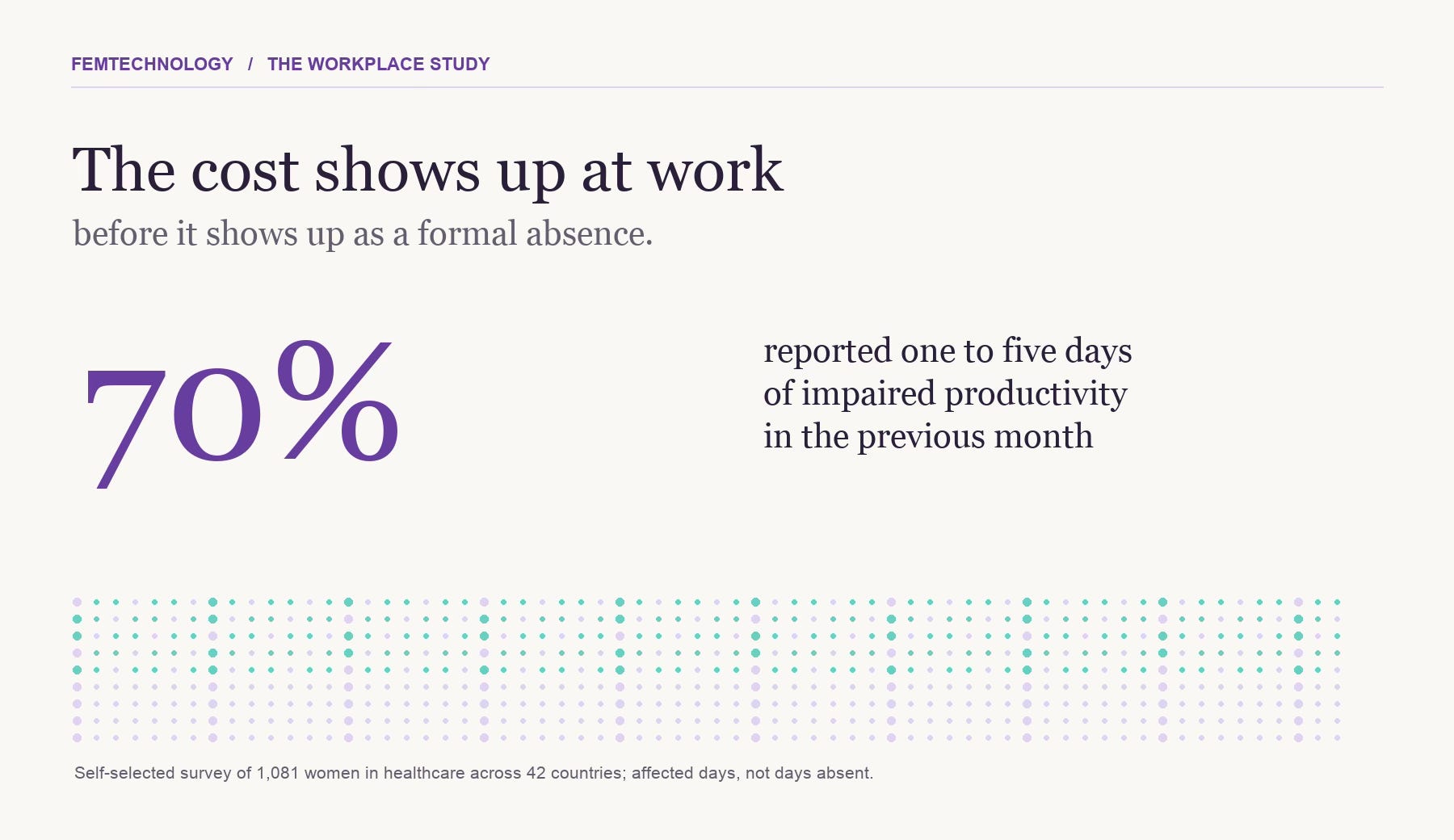
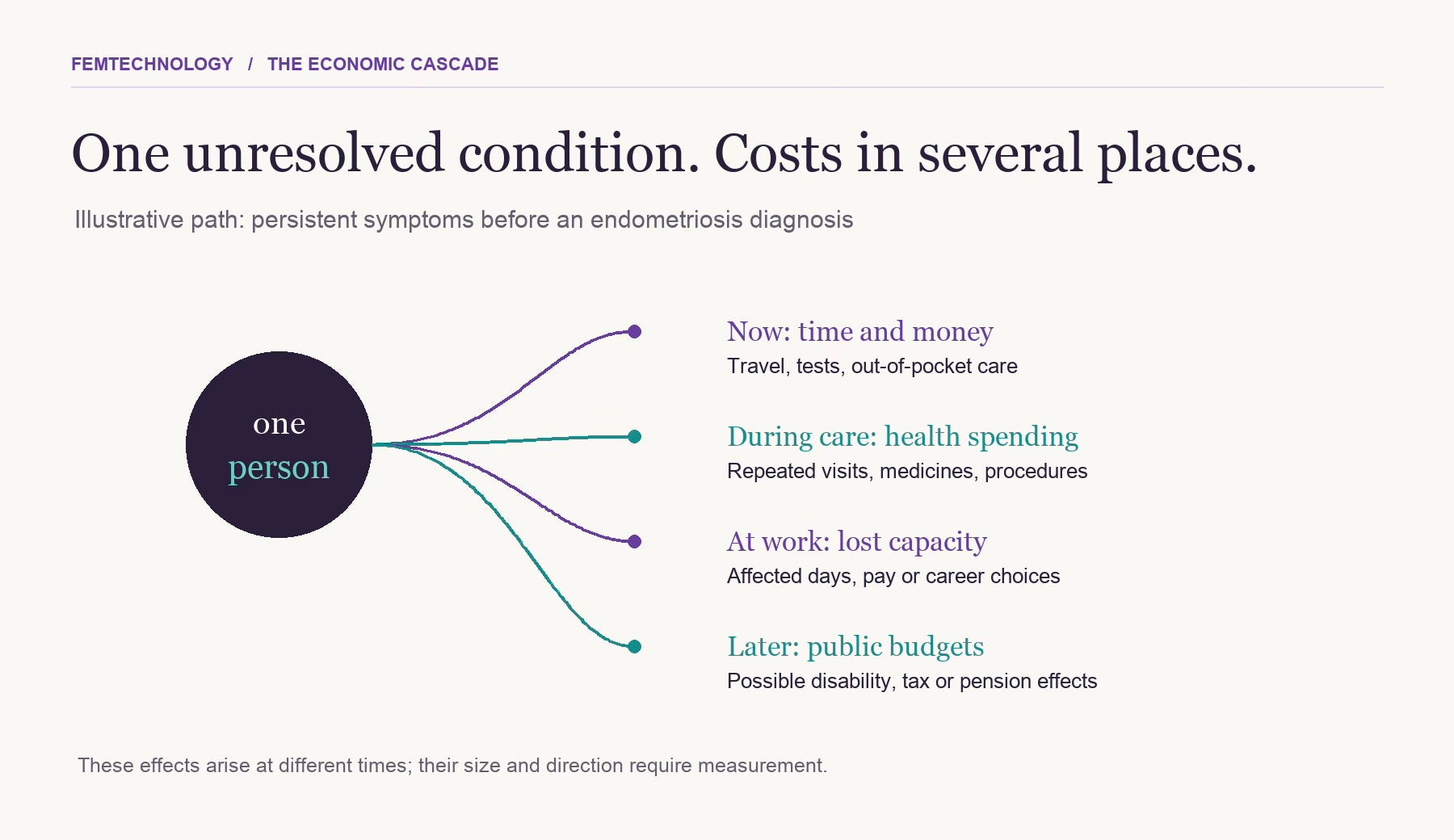
The cost of this clinical paralysis does not vanish; it is simply outsourced to the patient and her employer. Health issues erode workforce participation long before a formal disability claim is ever filed. In our workplace study, The State of Women’s Health in the Workplace, roughly 70% of female healthcare workers experienced one to five days of impaired productivity in a single month due to unresolved health issues. Only 10% felt adequately supported by their employers.
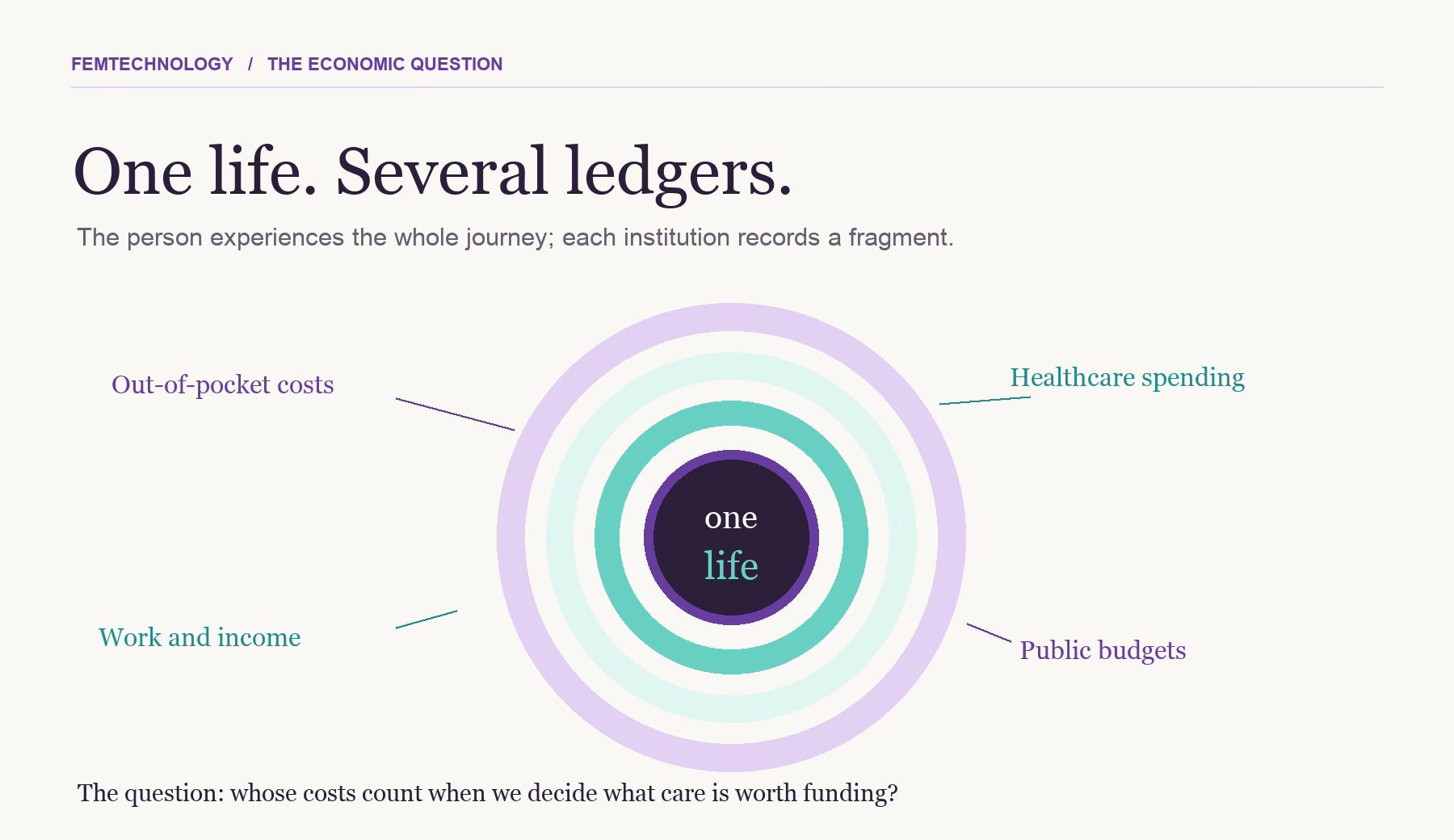
Our economic analysis, The Price of Invisibility, proves that we are tracking the wrong metrics. When a health problem goes unresolved, the financial burden fractures across different, siloed ledgers. The employer absorbs the lost productivity. The health system absorbs the cost of repeated, inefficient specialist visits. And the patient pays a severe premium. In the US, a Deloitte analysis revealed that women with individual employer-sponsored coverage pay 18% more out-of-pocket than men, even after excluding maternity care. In Switzerland, supplementary insurance can legally price by sex, directly shifting systemic costs onto women.
We cannot evaluate the cost of a new care model by simply looking at the price of a single clinical appointment. We must measure the total systemic cost of not solving the problem, tracking the fallout across healthcare spending, workforce retention, and long-term public budgets.
Weaponizing Procurement Against AI Bias
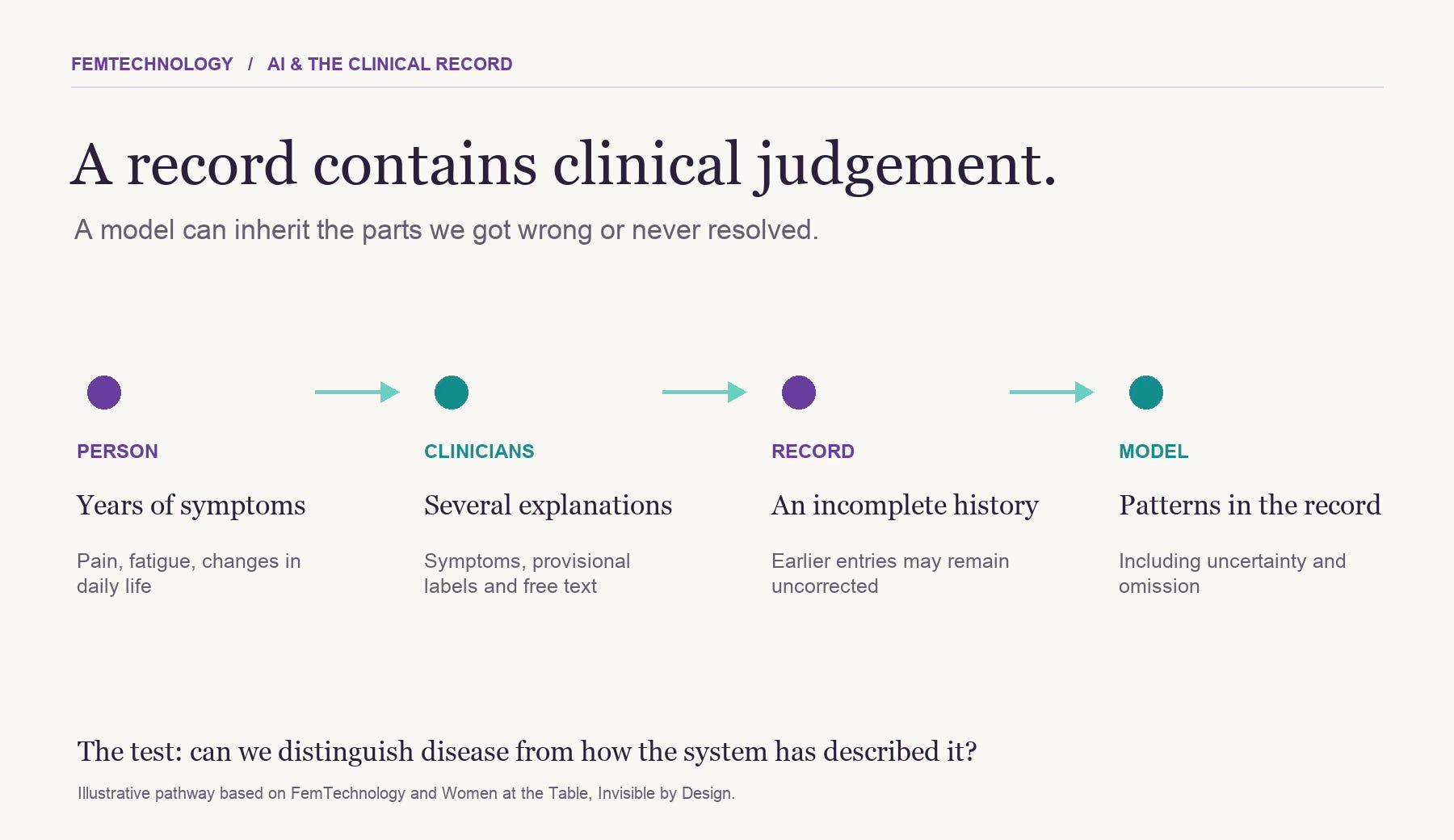
When an unresolved patient journey is digitized, it becomes the training data for our future AI infrastructure. As we detailed in Invisible by Design, a medical chart is not an objective biological truth; it is a ledger of what the system noticed, believed, and was willing to bill for.
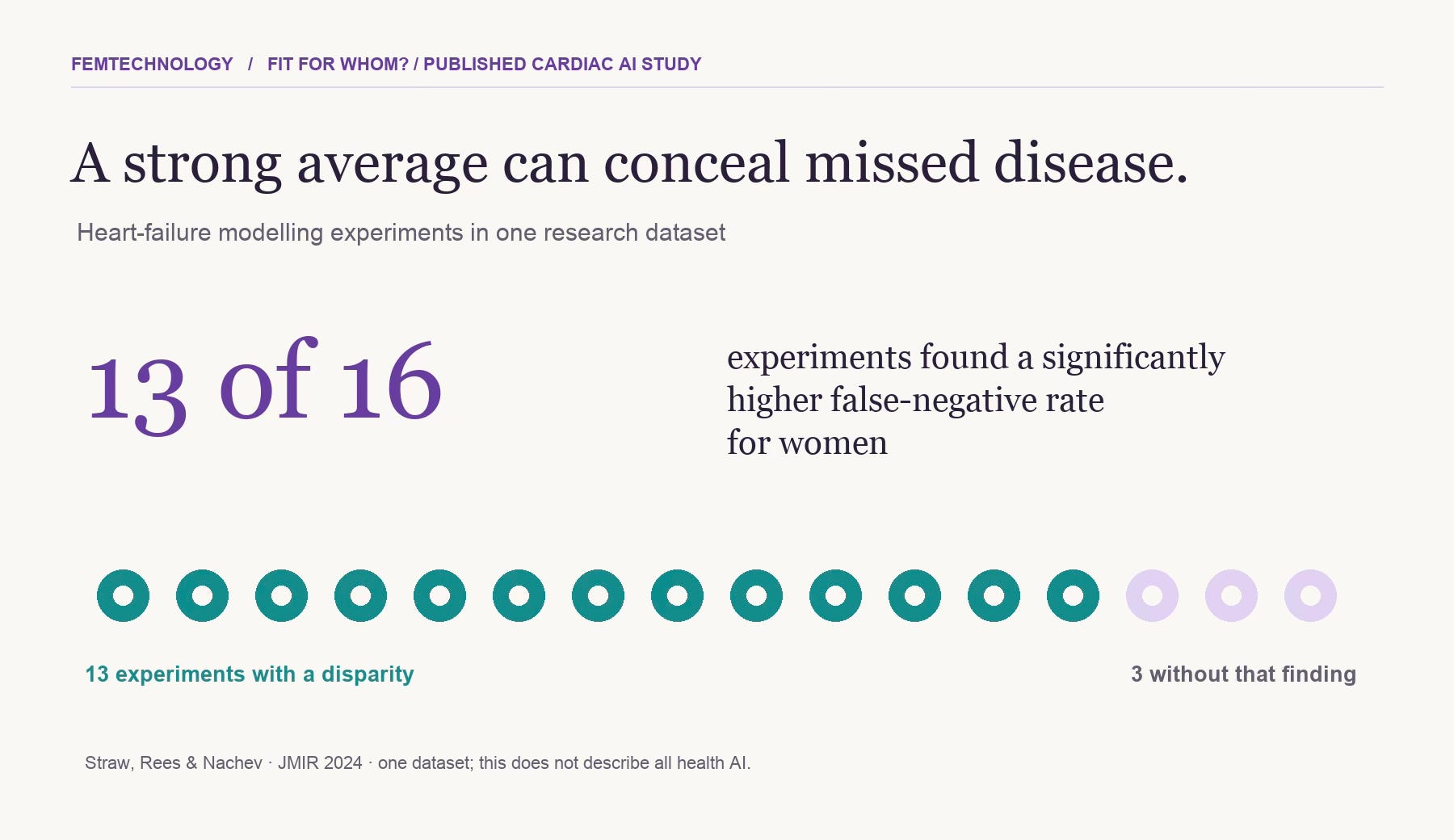
If an AI model trains on the records of an endometriosis patient who spent years receiving provisional labels like “anxiety” or “bowel distress” before a definitive diagnosis, it does not learn the biology of the disease. It learns to predict the system’s own delays and biases. This compound failure is already visible: in published tests of liver-disease classifiers, algorithms missed the disease in women more often than in men. In cardiology, the High-STEACS study proved that while sex-specific troponin thresholds identified more myocardial injury in women, greater detection alone didn’t resolve differences in subsequent treatment.
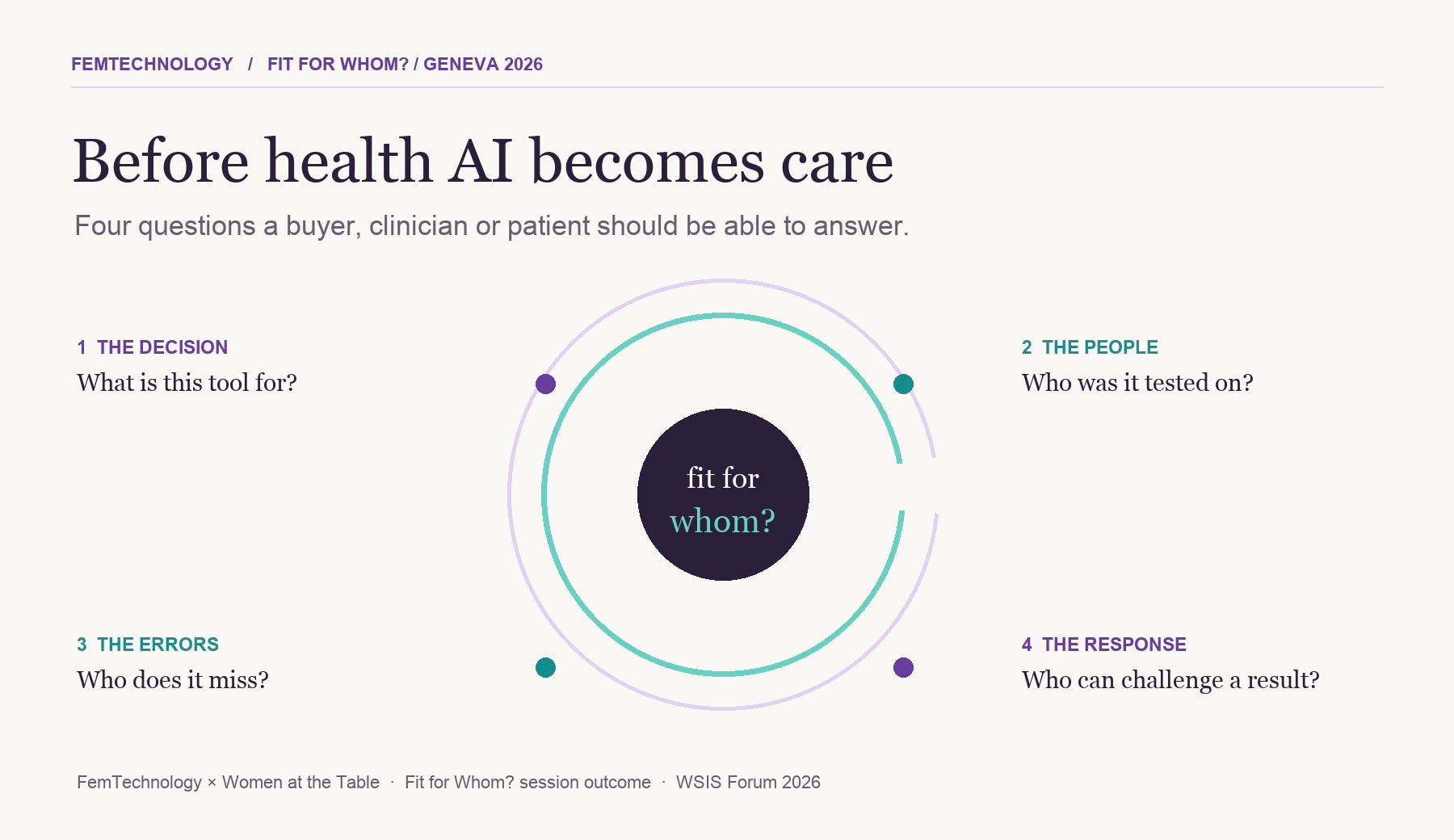
This is why, back in July, we convened Fit for Whom? at the 2026 WSIS Forum in Geneva alongside our collaborators, Women at the Table, you can read the output of that session here :
We moved past the philosophical question of “Is AI fair?” to the actionable strategy of using procurement as a policy lever.
A clinical buyer does not need to wait for sweeping international AI legislation to act. A hospital can insert a strict clause into a vendor tender tomorrow: Before we purchase this cardiovascular AI tool, you must prove its efficacy separated by sex and life stage. Show us the local validation data. Provide a mechanism to audit missed cases post-deployment.
The Dual Approach: Data Commons and Procurement
Our colleagues, Women at the Table, are working on addressing both sides of this systemic equation. Their proposal for a community-governed data commons targets the supply of evidence, helping to collect information that existing records never captured: women’s descriptions of symptoms and treatment, life-stage context, unpaid care, time use, and voices in underrepresented languages. By training and paying local women’s-rights organisations to collect and validate this data, sensitive health information can remain with regional custodians, while contributors retain a say in access and benefit-sharing. The proposal structurally joins data quality to consent, stewardship, and a share in the value created from the data.
The other side is what buyers demand. Women at the Table’s procurement framework gives public buyers six practical ways to leverage their purchasing power: define the problem before choosing a product, involve the people affected, ask vendors for evidence, retain rights to inspect the system, and keep checking it after purchase.
Their AI & Equality Toolbox and impact-assessment workbook help teams operationalize these questions from the first design decision to monitoring in use. Women at the Table also works with public bodies to turn this method into tender requirements, contract terms, and staff training, if you are interested in learning more, please reach out:
A procurement officer can use the framework to write the tender; a clinical lead can specify which patients and missed diagnoses matter; a patient group can identify which failures the standard test data overlooks.
If a hospital is considering an AI tool for heart-disease risk, its tender can require the supplier to show results separately for women and men, incorporating relevant life stages and the specific demographics the hospital serves. The contract can mandate local evaluation, access to error reports, and a process for clinicians and patients to challenge a wrong result. These requirements alter what developers have to demonstrate. Procurement creates the immediate market demand for better evidence; responsible collection through the data commons supplies it.
Our Geneva work has already moved beyond the basic question of AI fairness. At Fit for Whom?, we brought health evidence directly into the conversation with AI governance. The published session outcome gives institutions a simple, rigorous test for systems affecting public health: what evidence is the tool built on, who was included in testing, where does it fail, and who can challenge a result after it is used?
The Scientific Frontier
Beyond mitigating algorithmic harm, closing this gap is a massive scientific opportunity. Our paper The Missing Half of Longevity Science highlights a central paradox: women tend to live longer, yet spend more of those years in poor health. Menopause is not a niche reproductive event; it is a systemic transition deeply connected to heart, bone, brain, and metabolic health.
When research defaults to a male baseline or isolates a single organ, we miss profound biological mechanisms of resilience and repair that could unlock therapies for everyone. For example, researchers found that an X-linked gene involved in myelin (PLP1) was more active in aging female mice and older women. Increasing this gene’s activity improved learning and memory in both male and female mice.
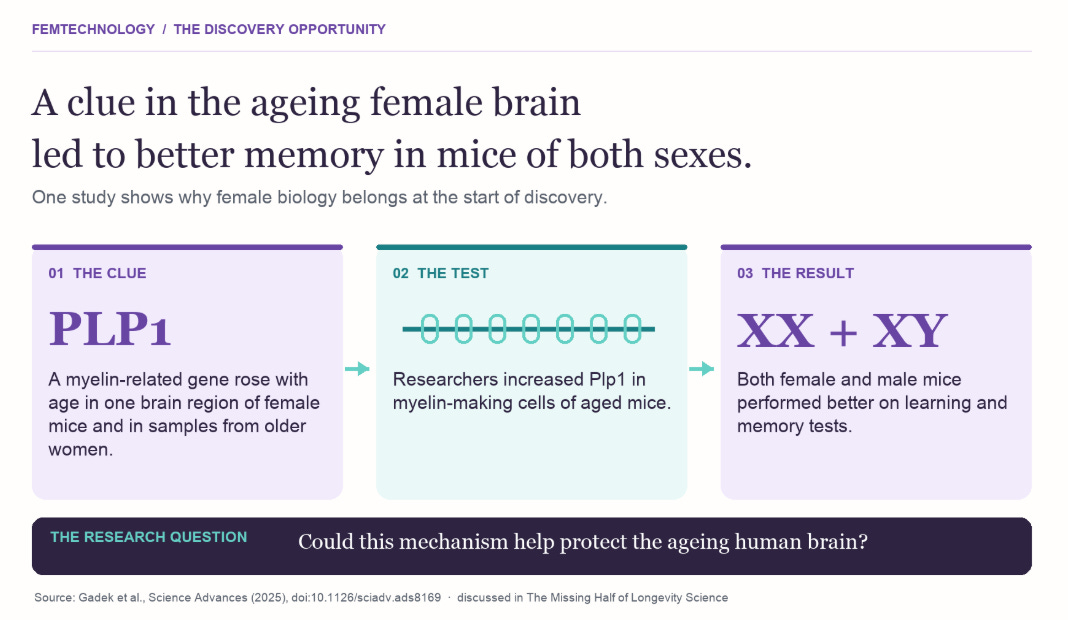
This is an example of the frontier EPFL is targeting with its open faculty search in Women’s Health Engineering and Digital Technologies, leveraging microfluidics, organoids, sensors, and AI to redefine medical discovery.
The Role of Governments and Switzerland
The costs of incomplete evidence are spread across institutions. So is the power to change it. This was the driving question behind The Architecture of Women’s Health, which we convened with the Consulate General of Switzerland in New York. More than 50 leaders from government, clinical care, research, pharma, finance, and insurance compared what they could change and what they needed from one another. The common thread is practical: each sector can take a step that gives the next one better evidence to work with.
The political timing is striking. Vincenza Trivigno, Swissmedic’s director, recently discussed gaps in knowledge regarding medicines and menopause with the Swiss Parliamentary Women’s Group, alongside clinician Petra Stute and parliamentarians including Estelle Revaz, Esther Friedli, and Vroni Thalmann-Bieri. During UN General Assembly week, the health ministries of Brazil, Indonesia, and Mexico are hosting discussions on menopause research and policy. Finland’s preparation of a national women’s-health strategy explicitly links health, work, and innovation. Governments are officially treating women’s health as an economic lever they can shape through research priorities and clinical policy.
Switzerland has this expertise uniquely concentrated: research universities, clinical institutions, life-sciences companies, insurers, and investors. That makes it a compelling place to test how a discovery moves into care, and where it gets stuck. A useful test would connect the evidence on cardiovascular risk following a pregnancy complication with follow-up in clinical practice, examine who actually receives that follow-up, and find out whether payment and data systems support it over time.
This is also a biopharma mandate. McKinsey found that most of the top 20 pharmaceutical companies earn more than 60% of their revenue from treatments for conditions that affect women uniquely, differently, or disproportionately. For Switzerland, where chemicals and pharmaceuticals accounted for 53% of goods exports in 2025, this is part of its main scientific and industrial economy. A concrete research programme could connect female-relevant biological models, sex-aware trials, and clinical follow-up to find out which differences change treatment.
The Real AI Risk in Healthcare
When global AI discussions happen, the conversation inevitably pivots to existential risk. Those debates matter, but while we contemplate theoretical futures, a quieter, immediate reality is unfolding: AI is permeating healthcare at 2.2 times the rate of the broader economy.
Yet almost no one is asking whose health is reflected in these models. Our baseline medical infrastructure structurally fails to serve half the population. Automating healthcare as it currently exists doesn’t fix the problem—it simply makes a flawed, biased clinical process faster and much harder to challenge.
Standing at the edge of this technological transition gives us a rare opportunity to rethink how care is delivered, data is gathered, and tools are evaluated. Driving change doesn’t require waiting for sweeping global policy; it happens whenever an institution changes a single operational decision in its supply chain. Some examples of actions stakeholders can take:
For Researchers & Biopharma Teams: Hardwire female-relevant biological models, sex-stratified analysis, and life-stage variables into early study designs. Why it matters to you: You catch failures earlier, find clearer signal, uncover novel drug targets, and avoid developing therapeutics for an idealized baseline that doesn’t match the actual patient population.
For Procurement Officers & Hospital Buyers: Adopt Women at the Table’s public interest technology framework. Insert clauses into tenders requiring AI suppliers to report accuracy and false-negative rates separated by sex and life stage, show local validation data, and provide post-deployment audit rights. Why it matters to you: You protect your health system from clinical liability, prevent diagnostic errors, and ensure the expensive tools you buy actually perform on your local patient demographic.
Bringing Health to the Road to Geneva
As AI reshapes how we discover biology, organize care, and evaluate outcomes, health needs a central place in global AI governance milestones like the thematic Road to the 2027 Geneva AI Summit. Whether in those international discussions or within your own institution’s next project cycle, the goal is the same: to move from discussing the problem to publishing results on what actually worked.